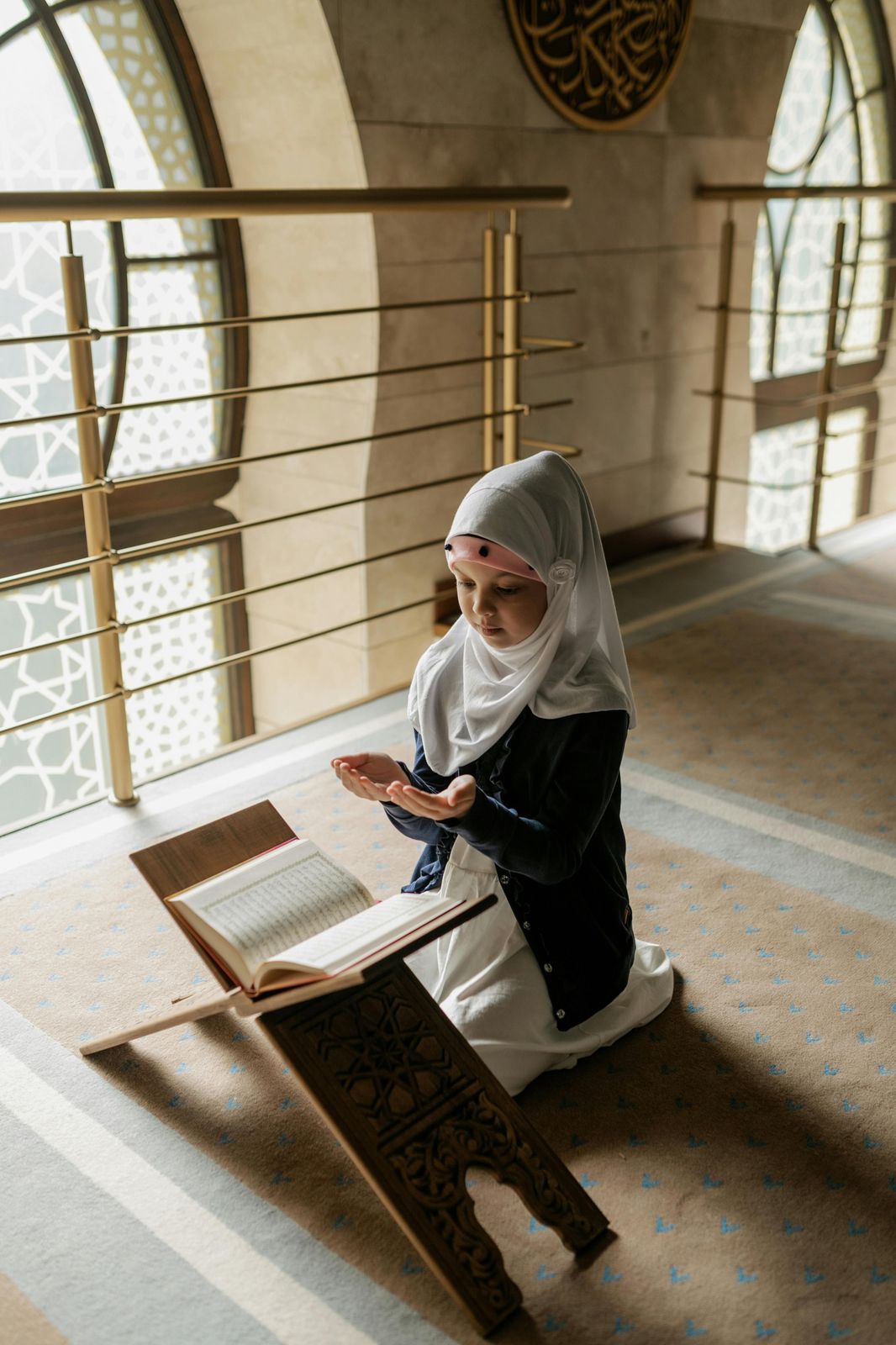
Ramadan is the month of the Quran — the month in which it was revealed, and the month in which Muslims worldwide feel most drawn to increase their recitation and connection with it. Here are practical, realistic tips for families to make the most of this blessed opportunity.
Set a Khatm (Completion) Goal as a Family
Completing the full Quran once during Ramadan is a beloved tradition. Divide the 30 Juz across 30 days and distribute sections among family members old enough to participate. Tracking progress together creates shared accountability and celebration.
Use the First and Last Hours Wisely
The period after Fajr and before Iftar are traditionally the most spiritually potent times for Quran recitation. Even 15-20 minutes of focused recitation during these windows — before the day's demands begin — adds up significantly over 30 days.
Let Children Hear It Constantly
Playing Quran recitation softly throughout the day — during meals, in the car, while cooking — plants seeds that grow long after Ramadan ends. Children who grow up hearing the Quran as background music of home life develop an emotional connection to its sounds before they even begin formal learning.
Start (or Continue) Formal Classes
Ramadan is an excellent time to enroll children in Quran classes, or to restart your own learning if you've been away from it. The elevated spiritual environment of the month provides natural motivation that carries students through the initial adjustment period.
Don't Neglect Post-Ramadan Consistency
The challenge many families face is maintaining Ramadan-level engagement with the Quran after Eid. The best way to prevent the post-Ramadan drop is to build consistent class and recitation habits during Ramadan itself — so they feel natural to continue.
Qalbi Quran Academy offers flexible scheduling around Suhoor and Iftar times, with morning and evening slots available across all time zones. Book a free trial and begin your Ramadan with real, structured learning.